EL11: Recap

L1, L4-L9

EL1: Intro

Important aspects

  • Data (where does is come from, what does it contain)
  • Ethics and legal (how to handle sensitive data, what laws and regulations apply)
  • Project management (how to plan and execute a data project, version control, reproducibility, R specific packages for efficient data handling)

Data – what is it?

EU Data Act | Article 2, Definitions:

data
any digital representation of acts, facts or information and any compilation of such acts, facts or information, including in the form of sound, visual or audio-visual recording
metadata
a structured description of the contents or the use of data facilitating the discovery or use of that data;

Inclusion/exclusion criteria

  • 👍 Defines the target study/register population

  • 👎 Define exceptions to the general rules

Coverage and completeness

  • 🏥 Institutional coverage: proportion of all eligible units/clinics that are connected to the registry
  • 🤒 Case coverage: proportion of patients who should have been reported from connected units that are actually included
  • Data completeness: proportion of required data fields that are filled in for the registered patients

Data linking

  • Unique personal identifier
    • Not in every country!
    • Social security number similar purpose but not as widely used

Working with health care data

  • Legalities
    • Do I have the right to access this data?
    • What am I allowed to do?
    • What am I not allowed to do?
  • Data management
    • large datasets
    • multiple datasets
    • different formats
    • missing data
    • data cleaning, transformation, wrangling, munging, governance, engineering
  • Planning
    • What is the purpose?
    • How can I achieve my goals?
    • What if I change my plans later?
    • Can I redo my analysis?
    • How do I present/communicate my results?

EL4: Tooling

It is widely acknowledged that the most fundamental developments in statistics in the past 60 years are driven by information technology (IT). We should not underestimate the importance of pen and paper as a form of IT but it is since people start using computers to do statistical analysis that we really changed the role statistics plays in our research as well as normal life.

Although: “Let’s not kid ourselves: the most widely used piece of software for statistics is Excel.”” /Brian Ripley (2002)

Short overview

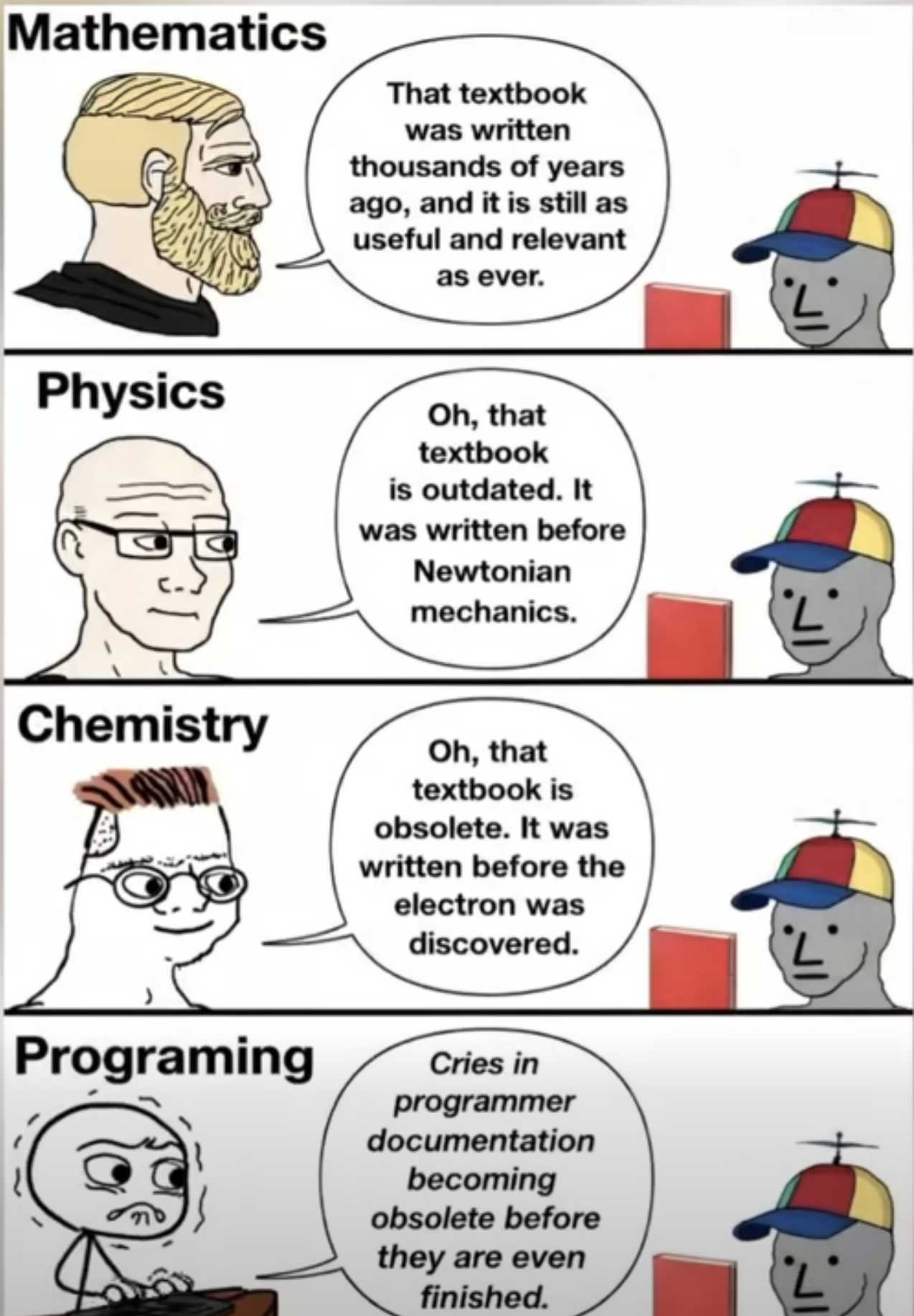
Panta rei!

  • We teach you the present
  • But your work is in the future
  • We might use history to predict the future?
  • At least we should learn that things changes constantly!

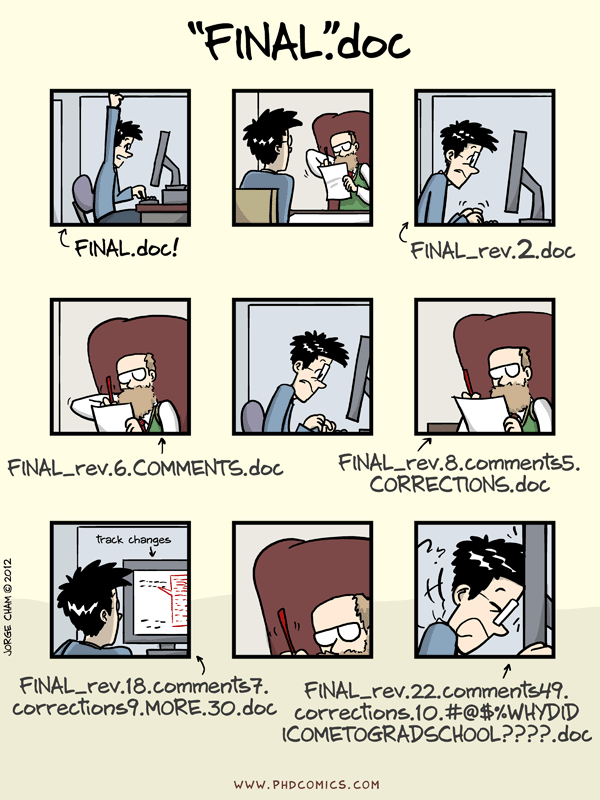
Version control

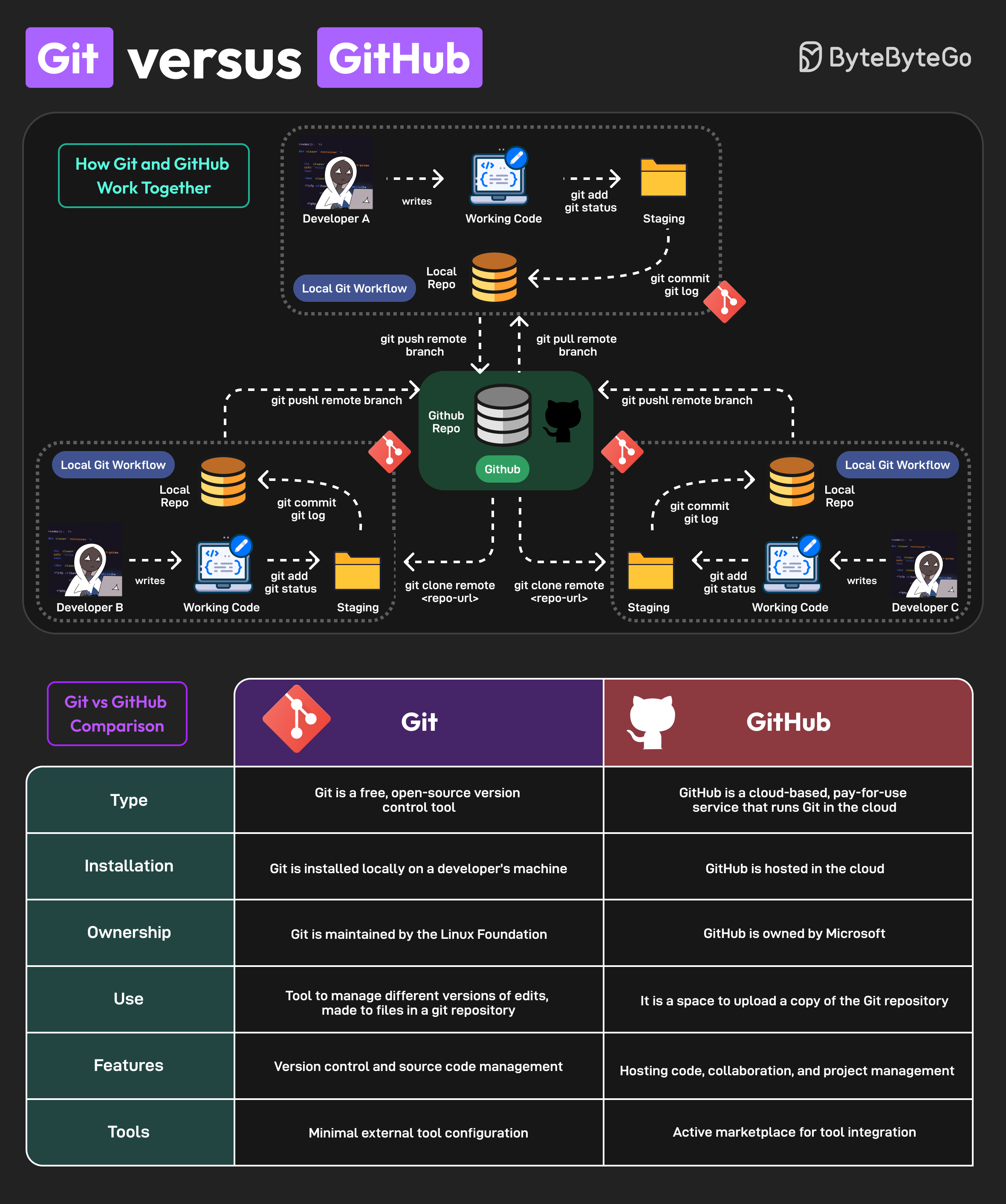
Git

Design principles:

  • Distributed architecture
  • Fast local operations
  • Strong support for branching and merging

Version Control Today

Modern usage includes:

  • Code
  • Documentation
  • Data analysis (scripts, notebooks)
  • Configuration and infrastructure

Git is integrated into:

  • IDEs (RStudio, VS Code, Positron)
  • Cloud platforms

Version Control Beyond Code

Today, version control supports:

  • Reproducible research
  • Collaborative writing
  • Data science workflows
  • Teaching and learning

WARNING!

  • Not everything should be shared!
  • Scripts and documentation yes!
  • But Health data is sensitive!
  • .gitignore

Statistics projects

  • Real projects are more complex than a single R script!
  • Multiple scripts
  • Multiple data files
  • Documentation
  • Reports
  • Version control
  • Reproducible workflows

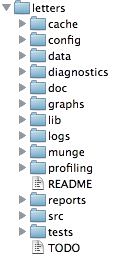
Project structure

Common file structures

  • Help you organize your thoughts
  • Help others to collaborate
  • simplifies paths used in your code

EL5: Reproducibility

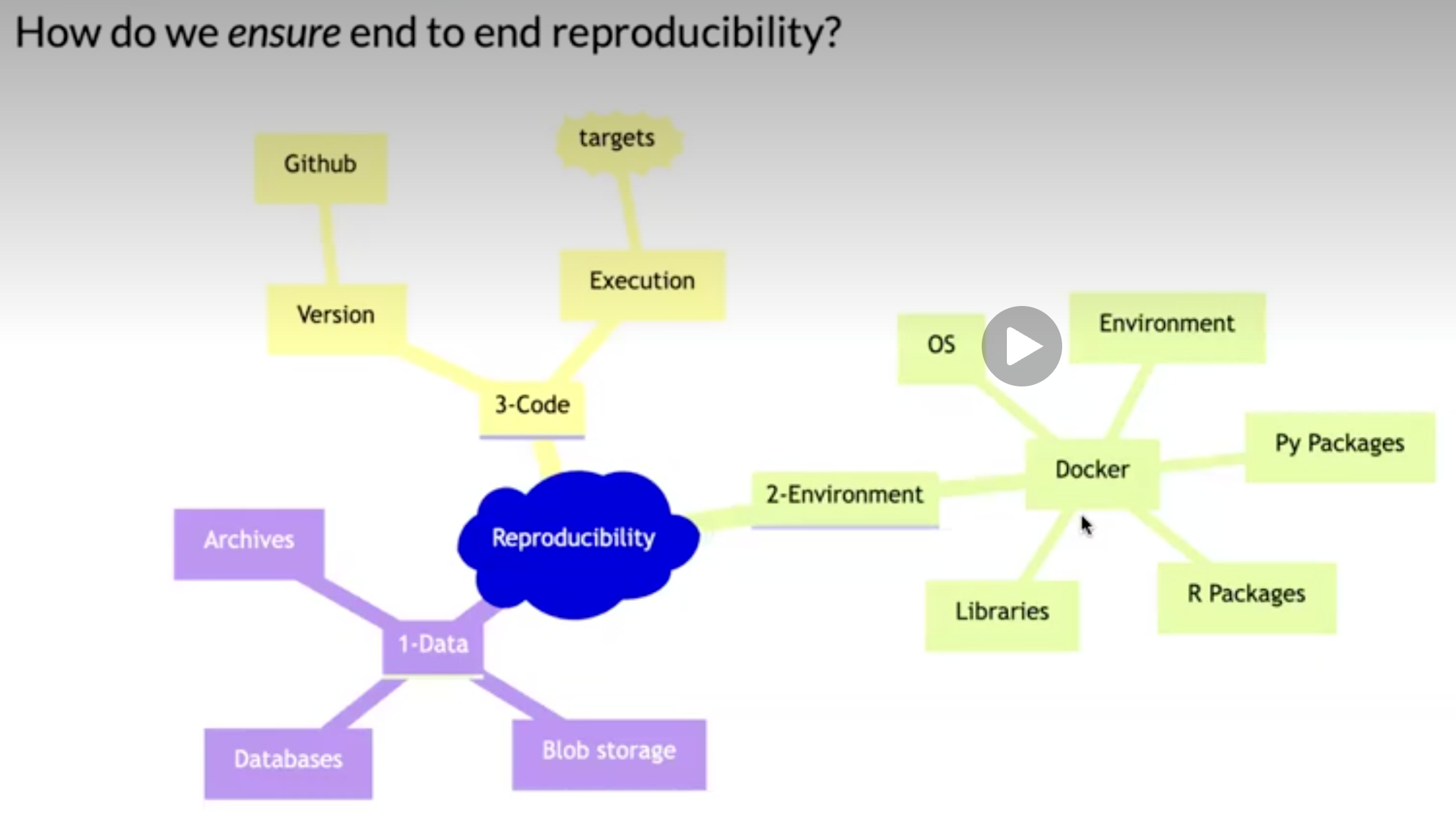
An article about computational science in a scientific publication is not the scholarship itself, it is merely advertising of the scholarship. The actual scholarship is the complete software development environment and the complete set of instructions which generated the figures. / Buckheit & Donoho

[It is important to have] a clear understanding of how data analysis was conducted when critical life and death decisions must be made. / Peng et al. 2021

Reproducible analysis

A published data analysis is reproducible if the analytic data sets and the computer code used to create the data analysis are made available to others for independent study and analysis

Pipeline

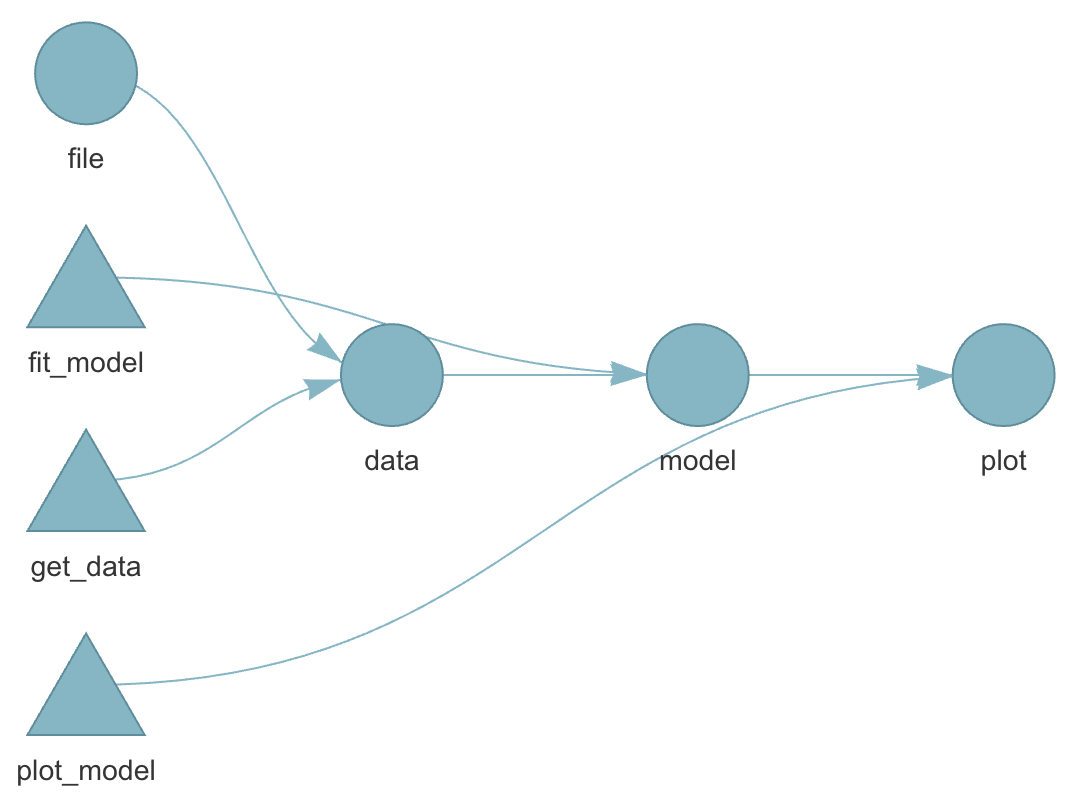
  • Define steps in your analysis as targets
  • Define dependencies between targets
  • Automatically track changes and rerun only necessary parts

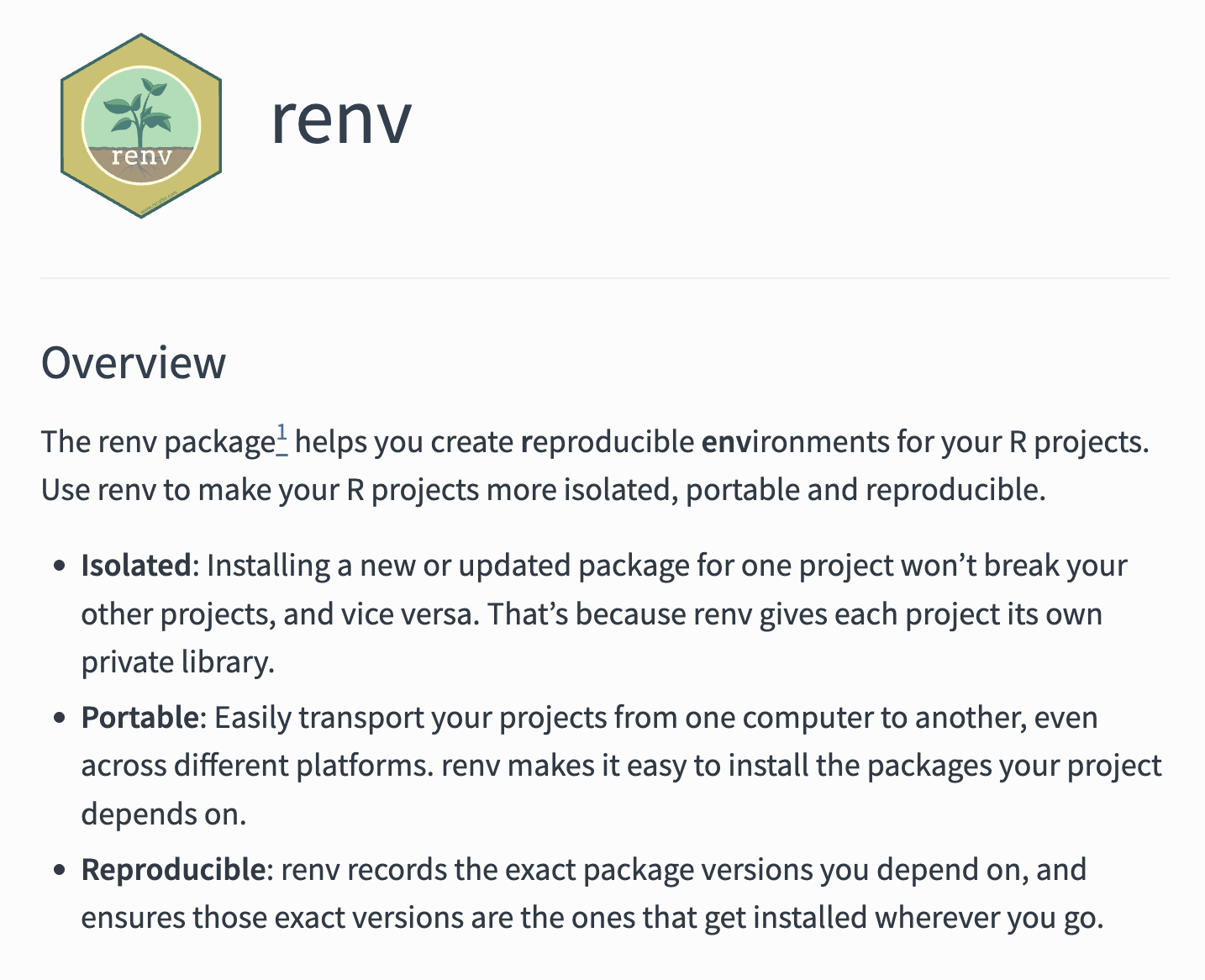
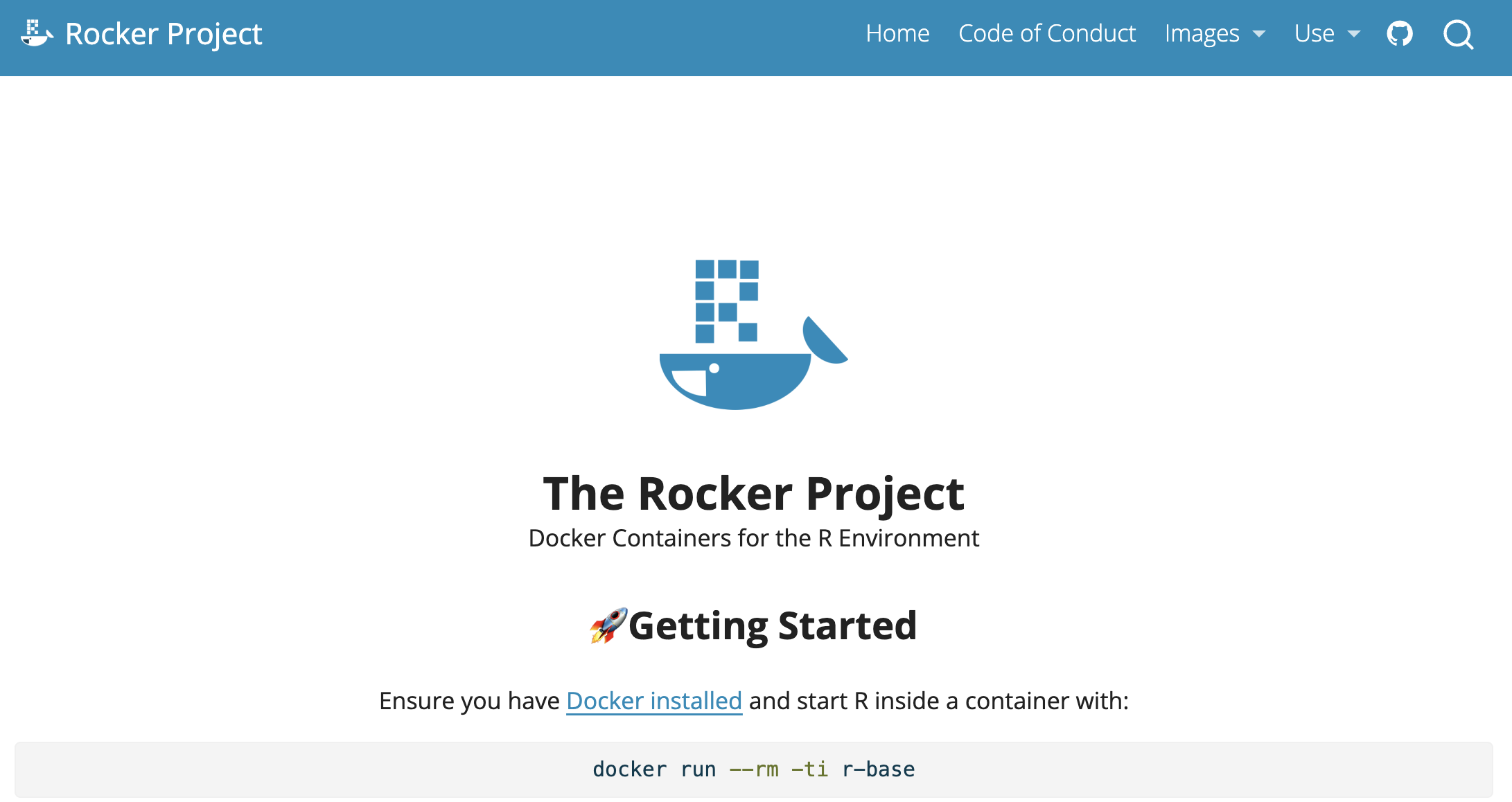
Different operating systems

  • R should behave similar on different operating systems.

  • Exceptions nevertheless exist!

TRE

Different names, same concept:

  • Secure Research Envoronemnt (SRE),
  • Trusted Research Envoronment (TRE),
  • Secure Data Environment (SDE),
  • Data Clean Room,
  • Data Safe Havens,

In practice

  • Connect through VPN

  • 2-factor authentication (BankID common in Sweden)

  • Remote Desktop

  • Limited internet access from within the environment (maybe possible to install CRAN-packages tied to a certain historical snapshot but not the latest released/developed versions).

  • Data import and exports goes through administrator

  • Pros: Secure, centralized backups, possibility to scale/share large computing resources (CPU, RAM, GPU etc), less dependent on individual computer (laptop), might aid collaboration

  • Cons: needs internet connection, restrictions on what software (packages) to use, difficult to export results and/or import script files etc, mentally exhausting to use for example a Mac Keyboard when working in Windows, can be expensive (pay per clock-cycle of CPU usage etc instead of simply purchasing a computer once).

EL6: Data formats

.sas7bdat

  • Many govermental agencies are using SAS
  • Their standard format when delivering big data sets
  • SAS is great for handling big data sets (no need to read everything into memory)
  • But you don’t know how to use SAS 😩

First try

  • It is often possible to read medium-sized SAS files to R by haven::read_sas()
  • But let’s say this did not work for your data! 😩
  • Best practice for current SAS version (9.4) is to export only nessecary data to csv
  • The exported csv file can later be read into R

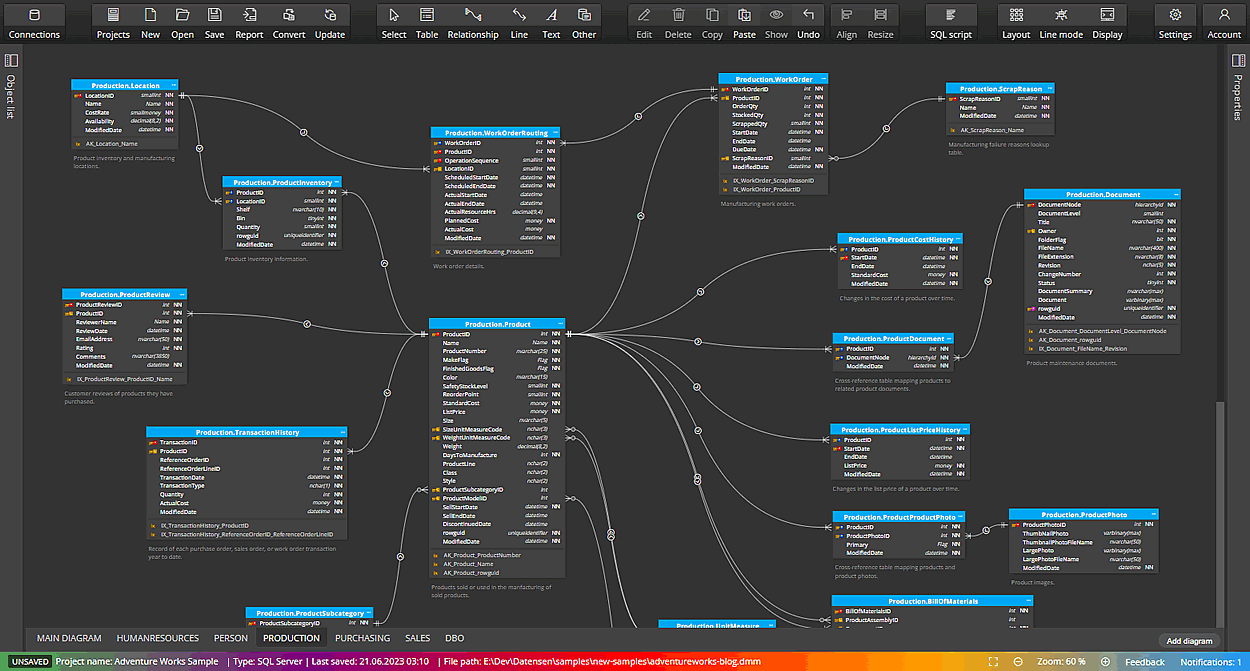
Databases

  • a database is a collection of “tables” (tabular data frames)

  • Differences between data frames and database tables:

    • Database tables are stored on disk and can be arbitrarily large.
    • Data frames are stored in memory
    • Database tables almost always have indexes; makes it possible to quickly find rows of interest
      • Data frames and tibbles don’t have indexes, but data.tables do, which is one of the reasons that they’re so fast.
    • No fixed row order in a table

Row vs column oriented

  • Most classical databases are optimized for rapidly collecting data, not analyzing existing data.

  • These databases are called row-oriented because the data is stored row-by-row, rather than column-by-column like R.

  • More recently, there’s been much development of column-oriented databases that make analyzing the existing data much faster.

SQL

  • Different database systems may use different query languages.
  • The Structured Query Language (SQL) is the most widely used for relational databases.
  • Defined by international standards (ANSI/ISO).

A Simple Example

SELECT name, age
FROM students
WHERE age >= 18
ORDER BY age;

This query:

  • Selects two columns
  • Filters rows
  • Sorts the result

DuckDB

  • Free and open source (backed by foundation)
  • R implementation by duckplyr
  • Can be used both with disk data and data in RAM

DuckDB and Data Files

DuckDB can query files directly:

  • Parquet
  • CSV
  • JSON

No data import (to your computers Random Access Memory [RAM]) is required!

Faster in memory?

  • DuckDB and {duckplyr} makes it possible to work with data which does not fit into memory
  • But what if data would fit (which is more common)?
    • You can use tibbles and dplyr etc as usual …
      • … but it might be slooooooooooooow … for big enough data
  • {data.table} is much more efficient!

data.table

  • Comparable to working with data.frame in base R or tibble in the tidyverse
  • Core components implemented in C for performance
  • Uses concepts similar to databases:
    • Integer-based keys and indices
    • Efficient joins and grouping
  • Reference semantics

External API

  • Some data can also be openly accessed by an Programming Application Interface (API)
  • The PX-WEB API is used by a large number of statistical authorities (and others) world-widea to provide access to aggregated data
  • The {pxweb} R package simplifies the process

EL7: Medical coding

Overview

  • Standardized vocabularies, controlled vocabularies, terminologies and ontologies …
  • This is a field of its own (health informatics)
  • Let’s just call it “medical coding” for now.

ICD – International Classification of Diseases

  • Maintained by the World Health Organization (WHO)
  • Global standard for coding diseases and causes of death
  • Used for:
    • Clinical documentation
    • Mortality statistics
    • Epidemiological research
    • Health system planning and monitoring

Historical Background

  • First version: 1893 (International List of Causes of Death)
  • WHO assumed responsibility in 1948 (ICD-6)
  • Major revisions approximately every 10–20 years
  • Each revision reflects:
    • Advances in medical knowledge
    • Changes in disease concepts
    • Administrative and reporting needs

ICD has evolved from a mortality list to a comprehensive disease classification.

National Modifications

Several countries use national adaptations:

  • ICD-10-CM (USA; Clinical Modification)
  • ICD-10-CA (Canada)
  • ICD-10-SE (Sweden)

What Does an ICD Code Represent?

An ICD code reflects:

  • Clinical documentation
  • Coding rules
  • Administrative structure
  • Local practice

Crosswalks Between Versions

When analyzing long time series:

  • Mapping tables (“crosswalks”) are often used
  • Mapping may be:
    • One-to-one
    • One-to-many
    • Many-to-one

Crosswalks are rarely exact. Information loss or ambiguity is common.

Aggregation to broader diagnostic groups is often necessary.

ATC for drugs

  • Anatomical Therapeutic Chemical (ATC) classification
  • categorizing therapeutic drugs,
  • introduced in the 1960s
  • In 1980, the World Health Organization (WHO) recommended the ATC system as the “state of the art”

Procedure codes

  • We use ICD for diagnoses and medical condition
  • But how are patients with such diagnosis treated?
  • What actions (in addition to the prescription of medicines) do we have?
  • USA has a special version of ICD for this: ICD-10-PCS
    • PCS = Procedure Coding System

NOMESCO

In Sweden, medical procedures are coded using the NOMESCO Classification of Surgical Procedures (NCSP).

  • Developed by the Nordic Medico-Statistical Committee (NOMESCO)
  • Used in Sweden, Denmark, Finland, Norway, and Iceland
  • Primarily for on surgical procedures

KVÅ

  • In Sweden implemented through KVÅ (Klassifikation av vårdåtgärder)
  • Maintained nationally by Socialstyrelsen
  • Includes the NOMESCO-NCSP codes for surgery
  • Also includes additional codes for non-surgical treatments and activities
    • Administration of chemotherapy (cytostatic treatment)
    • Radiotherapy sessions
    • Dialysis treatment (hemodialysis, peritoneal dialysis)
    • Blood transfusion
    • Vaccination
    • Advanced wound care (non-surgical)
    • Multidisciplinary team conference (MDT conference)

SNOMED CT – What Is It?

SNOMED CT (Systematized Nomenclature of Medicine – Clinical Terms) is a large clinical terminology system.

  • Maintained by SNOMED International
  • Contains hundreds of thousands of clinical concepts
  • Designed for structured documentation in electronic health records

Unlike ICD or ATC, SNOMED CT is primarily a terminology, not a statistical classification.

Terminology vs Classification

System Type Purpose
ICD Classification Epidemiology and health statistics
ATC Classification Drug classification
KVÅ / NOMESCO Classification Medical procedures
SNOMED CT Terminology Detailed clinical documentation

Classification systems simplify reality for statistics and reporting, while terminologies allow very detailed clinical descriptions.

Regular Expressions (Regex)

  • A way to describe patterns in text
  • Used to:
    • Identify diagnosis codes (ICD-10)
    • Identify drug codes (ATC)
    • Clean register data
    • Validate variables

EL8: Health care registers

Types of registers

National health registers

  • mandated by law
  • Sometimes with regional data collection and yearly updates
  • Governed by state authority

Quality registers

  • Volontary for health care providers but commonly adopted
  • opt-out for individuals
  • more than 100 in Sweden
  • But similar data collections in other countries by other names

Swedish Medical Birth Register

  • Established in 1973
  • Covers pregnancies resulting in delivery in Sweden
  • Includes live births and stillbirths from gestational week 22+0
  • Contains information reported by maternal care, delivery care, and neonatal care

The Total population Register (TPR)

  • maintained by Statistics Sweden (SCB)
  • based on data from the Population registration
  • structured for statistical analysis and research
  • used as the sampling frame for surveys and register-based studies

Childhood

During childhood and school years, health information is collected through:

  • Child health services (BVC)
  • School health services
  • Vaccination records
  • Examinations by school nurses or physicians
  • dentists etc

In contrast to many other stages of life in Sweden, these data are not collected in a national register.

Vaccination Register

  • National register maintained by the Public Health Agency of Sweden (Folkhälsomyndigheten)
  • Established in 2013
  • Primarily covers vaccinations given within national vaccination programmes

Military conscription

The conscription register contains information from military conscription examination

  • physical measurements (e.g. height, weight), cognitive ability tests, psychological assessments, health status and diagnoses, physical fitness
  • covers most Swedish men born roughly 1951–1990
  • Inactive 2010-2016
  • Both men and women since 2017 (but only approximately 25 %)
  • examinations typically performed at age 18–19
  • data collected by the Swedish Armed Forces

Swedish Dental Health Register

  • National register maintained by the National Board of Health and Welfare (Socialstyrelsen)
  • Established in 2008
  • Includes adults (≥20 years)
  • based on reports submitted within the national dental care subsidy system
  • includes both public and private dental care providers

Screening registers

  • breast cancer (mammography)
  • cervical cancer
  • colorectal cancer

These programmes aim to detect disease at an early stage in otherwise healthy individuals.

Data from screening programmes are often stored in regional systems

National Patient Register (NPR)

  • National register maintained by the National Board of Health and Welfare (Socialstyrelsen)
  • Covers specialised health care in Sweden
  • Data are collected by regions and healthcare providers and then reported to the national register

Coverage

  • inpatient care since the 1960s
  • nationwide coverage since 1987
  • specialised outpatient care since 2001

Main variables include:

  • diagnoses (ICD codes)
  • procedures (KVÅ codes – Swedish classification of healthcare interventions)
  • dates of admission and discharge
  • hospital or clinic
  • patient demographics

Primary care data

Primary care accounts for a large share of health care contacts in Sweden, but there is still no comprehensive national primary care register comparable to NPR.

  • most primary care data are stored in regional electronic health record systems
  • reporting practices differ between regions
  • national coverage for research and statistics is therefore limited

Prescribed Drug Register (PDR)

  • National register maintained by the National Board of Health and Welfare (Socialstyrelsen)
  • Covers dispensed prescription drugs from Swedish pharmacies
  • Established in 2005
  • Nationwide coverage

PDR does not include

  • drugs administered in hospitals
  • over-the-counter drugs
    • since 2009, many non-prescription drugs can also be sold outside pharmacies (e.g. supermarkets and petrol stations)
  • most herbal medicines or dietary supplements

Dispension does not guarantee that the patient actually used the medication

Cancer Register

  • National register maintained by the National Board of Health and Welfare (Socialstyrelsen)
  • Established in 1958
  • Covers all newly diagnosed malignant (and some benign) tumors in Sweden
  • Based on “primary tumour”

Cause of Death Register

  • National register maintained by the National Board of Health and Welfare (Socialstyrelsen)
  • Established in 1952
  • Covers all deaths among persons registered in Sweden
  • Information is based on death certificates completed by physicians.
  • Diagnoses are classified using ICD codes. Currently ICD-10 (WHO version, not ICD-10-SE)

LISA

Not a health care register but often used for background data.

  • education level
  • income and taxation
  • employment status
  • occupation and workplace
  • social insurance benefits
  • family situation

National Quality Registers

National quality registers collect detailed clinical information on specific diseases or treatments.

They are designed to:

  • monitor and improve quality of care
  • support clinical quality improvement

But they can also be used for research

Typical characteristics:

  • focus on specific diagnoses, treatments, or procedures
  • contain more detailed clinical data than national health data registers
  • participation is generally voluntary for healthcare providers

There are currently around 100 national quality registers in Sweden.

The Swedish register ecosystem

Key characteristics:

  • Nationwide coverage for many registers
  • Longitudinal data spanning several decades
  • Possibility of individual-level linkage across registers by the individual personal number

Limitations:

  • some sectors lack national registers (e.g. primary care, school health services)
  • coverage and data quality may vary across registers, health care providers (private vs public, secondary vs “tertary” care and over time)

Countries with similar register infrastructures

The Nordic countries have relatively similar systems based on:

  • nationwide administrative registers
  • universal healthcare systems
  • personal identification numbers

These countries are therefore often used in comparative register-based research.

Examples from other countries

Health data systems in other countries are often organised differently:

  • United Kingdom: NHS administrative datasets
  • Netherlands: population registers linked with health insurance data
  • United States: insurance claims databases and cohort studies
  • Canada: provincial administrative health data

These systems can provide valuable data, but often lack:

  • nationwide coverage
  • consistent linkage across registers
  • very long follow-up periods

EL9: Documentation

Levels of documentation

  • Code level
    • scripts (comments, e.g. # clean data and merge cohorts)
    • functions (Roxygen2 documentation)
    • notes and reminders (e.g. # TODO:)
  • Project level
    • README.md
    • (GitHub repos may also have a wiki or a polished website)
  • Output level
    • figures and tables
    • reports (PDF / HTML)
    • presentations (slides)

Reproducible Workflows

Modern biostatistics projects rarely involve only statistics.

  • data cleaning and preprocessing
  • statistical modelling
  • visualisation
  • interpretation of results
  • reporting and documentation

A good workflow should make it possible to combine all of these steps in one place.

What?

Quarto is a publishing system for scientific and technical documents.

It allows you to combine:

  • text
  • R code
  • statistical results
  • tables and figures

in a single workflow.

This makes it easier to create reproducible statistical reports.

Audience

Decision makers, stake holders, friends or the public
might not care about R. Disable R code (echoing the code itself), warnings and messages
collaborators
Might still care less about verbose R messages and warnings (they trust that you have already considered those). May still need the underlaying R code for deeper understaing Use code-fold.

Manuscripts

  • Quarto Manuscript
  • framework for writing and publishing scholarly articles
  • Something for your later thesis work?
  • Handles references
  • Export to Word documents (.docx) etc
    • which is still the most common format for submission to medical/epidemiological journals
    • Still used for collaborative work with non-statisticians etc

Online portfolio

  • Looking for a job after you fininsh the master program?
  • An online portfolia might increase your visability!
  • Perhaps add your course project to such portfolio?
  • Demo